
According to industry research, transportation can account for 50%–60% of total logistics costs — making it essential to understand what is FTL and how it differs from Less-Than-Truckload (LTL) shipping before choosing a strategy.
When it comes to shipping freight, shippers must consider size, speed, and price when deciding between Full Truckload (FTL) and Less-Than-Truckload (LTL) shipping. Understanding what is FTL helps businesses identify when a full truckload is more cost-effective than splitting smaller shipments across multiple carriers. FTL is typically more expensive than LTL but offers faster delivery times for large shipments and lower per-unit costs when the truck is fully utilized.
On the other hand, LTL requires less of a cash outlay because it involves shipping fewer items, though it generally results in slower delivery due to multiple stops and terminal transfers.
In this article, we’ll explore what is FTL versus LTL in greater depth—comparing their advantages, challenges, and best-use scenarios—so you can make smarter, data-driven shipping decisions for your business.
Comparison of FTL vs LTL
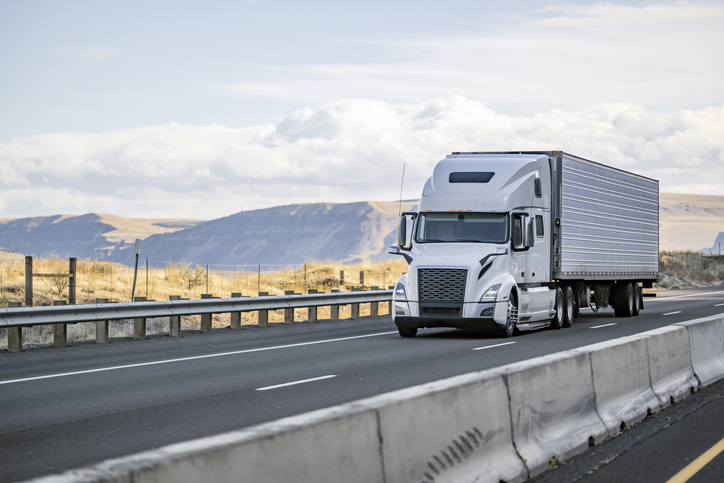
What is FTL? Full Truckload (FTL) shipping uses an entire trailer for one shipment. It’s ideal for loads over 10,000 pounds or 10+ pallets, where the full space is needed. Because the truck carries only your goods, it moves directly from pickup to delivery — resulting in faster transit and fewer risks of loss or damage.
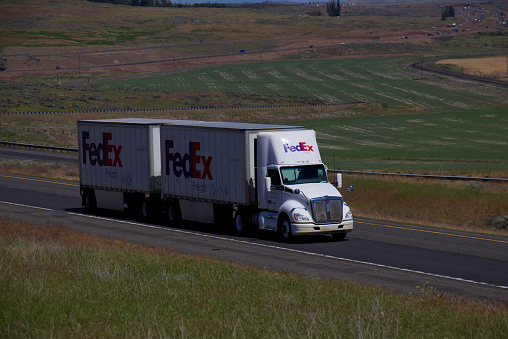
In contrast, Less Than Truckload (LTL) shipping combines smaller loads from different shippers in one trailer. This shared space lowers costs but leads to more stops and handling, which can slow delivery and slightly increase the risk of damage.
In short, dedicated truckload shipping is best for large, time-sensitive, or high-value freight, offering both speed and security. Shared-load transport suits smaller, cost-conscious shipments that don’t need a full trailer. Understanding how dedicated truckload services compare to shared trucking solutions helps businesses choose the right option for their shipment size, timeline, and budget.
Use Cases for LTL vs FTL
FTL is the preferred option for large shipments that must be delivered quickly. FTL is also ideal for high-value or sensitive cargo that requires enhanced security. FTL is typically used for shipments of 10,000 pounds or more.
Shared-load transport, on the other hand, works best for smaller or medium-sized shipments that don’t require a full trailer. By consolidating goods from multiple shippers, this approach offers cost savings for non-urgent, lower-value, or less sensitive freight—typically under 10,000 pounds.
Tips for Successful Freight Transport with FTL or LTL Shipments
- Choose the right carrier: When it comes to freight transport, it is crucial to choose the right carrier that offers the best value for money. Factors such as delivery time, reliability, and cost should be considered when making your selection. Choosing the lowest price does not always provide the service you need.
- Properly package and label your shipment: Proper packaging and labeling of your shipment can help prevent damage during transit and ensure that your shipment arrives at its destination on time. Make sure to use sturdy boxes and packaging materials, and clearly label your shipment with the recipient's name and address.
- Accurately document and communicate the shipment details: Accurate documentation and communication of the shipment details can help prevent delays and ensure that your shipment arrives on time. This includes providing a complete and accurate packing list, shipment weight, and dimensions.
- Choose the right mode of transportation: Depending on your shipment's size, weight, and delivery time requirements, you may need to choose between FTL vs LTL shipment.
- Monitor your shipment: It's important to monitor your shipment throughout the transportation process. This includes tracking its progress, making sure that it is delivered on time, and addressing any issues that may arise during transit. This can be done through online tracking systems or by contacting your carrier directly.
After implementing best practices for packaging, carrier selection, and monitoring, the next step is ensuring your entire supply chain stays visible and predictable. That’s where partnering with a third-party logistics (3PL) provider makes a major difference.
How Does a 3PL Improve Visibility and Tracking for Your Shipments?
Understanding what is FTL and how it differs from LTL is just the start—true efficiency comes from visibility. A 3PL provider enhances tracking and transparency across every shipment, helping businesses stay informed and agile.
Here’s how 3PLs make visibility easier:
- Real-Time Tracking: Access live shipment data and status updates across all carriers.
- Predictive Insights: AI-powered systems alert you to potential delays before they happen.
- Unified Dashboard: Combine FTL, LTL, and partial load data into a single tracking platform.
- Performance Analytics: Identify route trends, on-time performance, and carrier reliability.
By integrating modern tracking tools with expert logistics management, a 3PL helps companies make faster decisions, reduce disruptions, and improve customer satisfaction. Whether you’re managing one truckload or multiple LTL shipments, a reliable 3PL ensures complete visibility every step of the way.
Freight Shipping
When comparing dedicated truckload shipping and shared-load transport, it’s essential to weigh size, speed, and cost. The right choice will depend on the specifics of each shipment. FTL should be used for large shipments that require faster delivery times while shared trucking options are ideal for smaller shipments that don’t require immediate delivery. Researching and comparing carrier rates ensures the most cost-efficient choice.
By understanding the differences between dedicated truckload and shared-load shipping, businesses can move freight safely, efficiently, and affordably. With this insight, shippers can make confident, data-driven decisions about which transportation method best fits their logistics needs.
What are the drawbacks of FTL trucking when compared to LTL trucking?
Dedicated truckload shipping can be more cost-effective than shared-load transport, but it also comes with a few challenges.
First, to fully benefit from cost savings, businesses must ship in larger quantities—often requiring a higher upfront investment in inventory. By contrast, shared-load shipping allows smaller, more frequent shipments, offering better flexibility and lower short-term costs.
Second, dedicated truckload carriers can be less responsive to last-minute changes, as their operations are typically structured and pre-scheduled.
Finally, issues like equipment breakdowns, border delays, or disruptions from previous loads can impact delivery schedules. Shared-load providers, with terminal-based routing and regular schedules, tend to maintain more consistent delivery performance.
When weighing cost efficiency versus flexibility, it’s important to match your shipping model to your business’s logistics priorities and operational needs.
How Can a Transportation Management System (TMS) Help Determine the Best Shipping Method?
A Transportation Management System (TMS) helps businesses decide between what is FTL and LTL shipping by providing centralized visibility and data-driven insights. Through one platform, companies can compare rates, transit times, and carrier performance to identify the most efficient and cost-effective option for every shipment.
Key Benefits of Using a TMS:
- Centralized Data Access: Combines all logistics information into one dashboard for smarter decision-making.
- Load Optimization: Evaluates shipment size and timing to determine whether what is FTL freight or LTL is the better fit.
- Real-Time Tracking: Provides instant updates on shipment progress and delivery performance.
- Route Planning: Uses algorithms to suggest the most efficient routes, reducing costs and delays.
For companies that lack the internal resources to manage these tools, Visigistics offers managed transportation solutions that deliver all the benefits of a TMS without additional complexity. By leveraging logistics data and advanced analytics, Visigistics helps you identify what is FTL shipping opportunities, optimize loads, and simplify transportation management from end to end.
Ready to Simplify How You Manage Freight?
We understand that shipping decisions—especially when figuring out what is FTL and how it fits your logistics strategy—can be overwhelming. That’s why Visigistics partners with businesses like yours to make freight management easier, smarter, and more transparent.
Our managed transportation services combine technology and expertise to help you choose the best shipping methods, reduce costs, and improve delivery performance.
Let’s talk today about how Visigistics can help you streamline your logistics and move your business forward with confidence.
Frequently Asked Questions
What are the specifications for Less Than Truckload (LTL) freight transport?
LTL freight usually ships 1–3 non-stackable or up to 6 stackable pallets, around 48” x 40” x 48” in size and up to 10,000 lbs. Larger shipments may qualify for a volume quote, depending on the carrier.
What is the difference between FTL, Partial Truckload, and LTL freight shipping?
Understanding what is FTL helps compare freight options:
- FTL (Full Truckload): For large, heavy shipments that fill a full trailer.
- Partial Truckload: For medium loads that don’t require a full truck.
- LTL (Less Than Truckload): For smaller shipments sharing trailer space.
Each varies in speed, cost, and handling—choose based on your shipment’s size and urgency.
What are the characteristics, advantages, and disadvantages of FTL, Partial Truckload, and LTL freight?
Knowing what is FTL clarifies its benefits: it offers faster transit, fewer stops, and higher security for large loads. Partial Truckload balances cost and speed, while LTL is ideal for smaller shipments but involves more handling and slower delivery.
What is the maximum capacity for FTL, Partial Truckload, and LTL?
- FTL: For large, heavy loads that fill most or all of a trailer.
- Partial Truckload: For freight under 30 linear feet.
- LTL: For smaller shipments using shared space.
Contact Visigistics for advice on selecting the most efficient option.
What are the benefits of LTL freight shipping?
LTL shipping offers lower costs, shared transport space, better fuel efficiency, and reliable tracking. It’s a flexible, eco-friendly way to ship small quantities without paying for a full truck.
How can a 3PL (third-party logistics provider) assist with FTL and LTL shipping?
3PLs simplify decisions about what is FTL and when to use LTL by offering:
- Expert guidance on shipping strategies
- Access to multiple carriers and better rates
- Risk management and compliance support
- Scalable logistics for seasonal or growing demand
What are the differences in special service and equipment needs between LTL and FTL?
LTL carriers often offer lift gates, white-glove handling, or freeze protection for smaller loads. FTL carriers focus on full-truck transport with less need for specialized equipment, prioritizing speed and simplicity.
What are volume shipping and partial truckloads, and how do they fit into LTL vs. FTL?
Volume shipping and partial truckloads bridge the gap between LTL and FTL.
- Volume Shipping: Slightly larger than LTL (8,000–10,000 lbs).
- Partial Truckload: Between 8,000–27,500 lbs, sharing truck space efficiently.
These are cost-effective options for mid-sized shipments.
How does cargo fragility affect the choice between LTL and FTL?
If your shipment is fragile, understanding what is FTL helps—since it stays on one truck, it reduces handling and risk. LTL involves multiple transfers, increasing the chance of damage.
What do LTL and FTL stand for?
- LTL: Less-Than-Truckload—ideal for smaller freight.
- FTL: Full Truckload—used when cargo fills most or all of a trailer.
Knowing what is FTL helps determine which shipping type best fits your freight needs.
How does security influence the choice between LTL and FTL, especially for international freight?
FTL provides better security since your cargo isn’t shared with others. For high-value or international freight, understanding what is FTL highlights its main advantage—less handling, fewer risks, and safer transport.
How can Visigistics help with FTL and LTL shipping needs?
Visigistics connects you to trusted FTL and LTL carriers, offering expert route planning, cost control, and warehouse support. Whether you’re learning what is FTL or managing mixed shipments, our team helps you streamline logistics and achieve reliable, efficient shipping every time.